

Asset-sharing tech companies like Uber leverage contractors to provide a service that reflects on their brand. The beauty of outsourcing the capital-intensive part of its business also represents its greatest challenge…
The Problem with Uber's Business Model
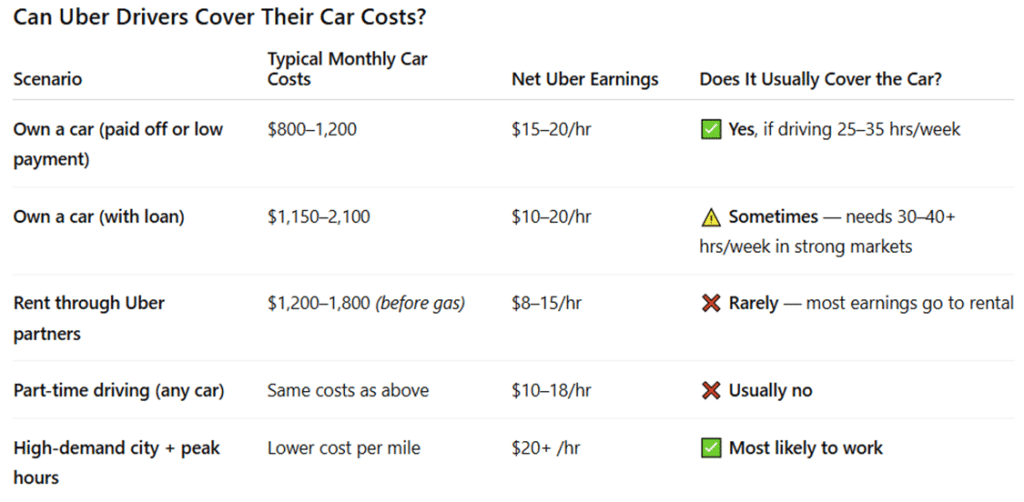
- Uber started out as a compelling way for people with a car & some spare time to make money.
- However, the steadily rising cost of auto ownership, insurance & volatile gas prices often make it difficult for drivers to make a living.
- Drivers buy/rent cars individually, pay retail insurance, retail financing & retail maintenance.
- Uber could leverage its scale & low cost of funds to help independent drivers who often have poor credit & are pressured by high costs, but this is not part of its business model.
- Service levels & turnover would likely benefit from this type of corporate partnership.
How does this Relate to Restaurant Franchisors?
- While many franchised restaurant systems rely on large operators that are well managed & capitalized, some smaller systems are more reliant on smaller mom-and-pop operators.
- The advantage of smaller franchisees who are personally involved in store operations goes without saying.
- However, the challenge of generating profits for smaller operators without the scale of their corporate franchisor is substantial given material increases in the cost of ownership & operating expenses.
- Resultantly, the large chains typically opt for private equity-backed corporate franchisees in place of younger franchisees who are just getting started. We believe that the chains would do well to make a way for younger, hands-on franchisees who could bring fresh, new ideas to the legacy brands.
- Jersey Mike’s leadership in offering ownership advancement opportunities (including financing help) for high-caliber employees while paying for all franchisee remodels sets a great example for the rest of the industry!
